Prime Minister Babiš following European Council summit on competitiveness: The solution lies in reforming the emissions trading scheme
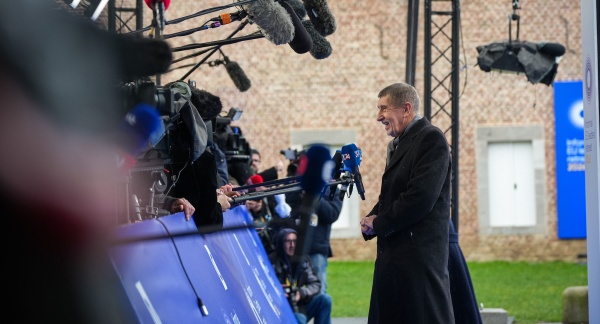
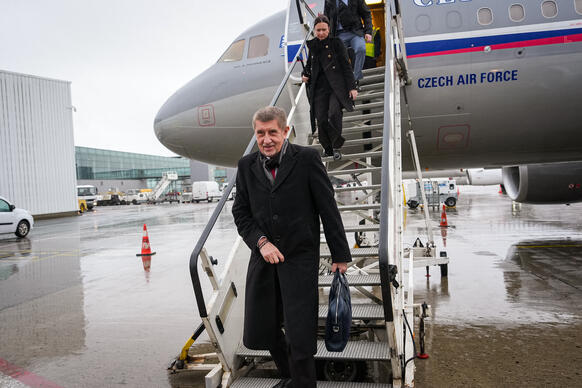
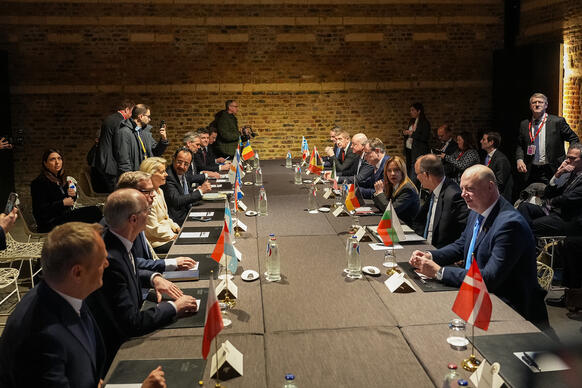
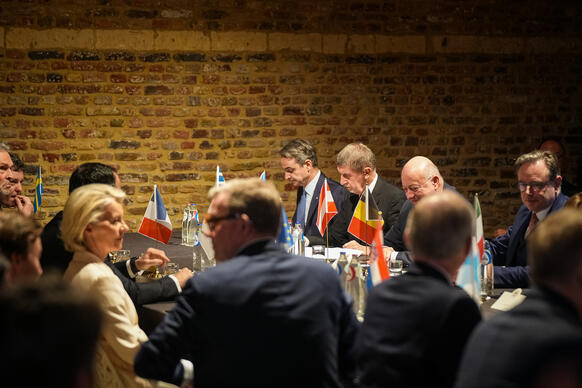
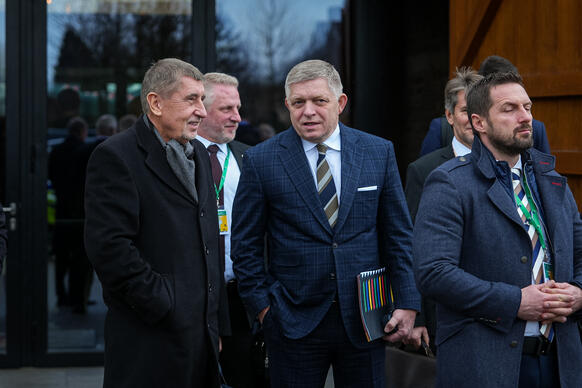
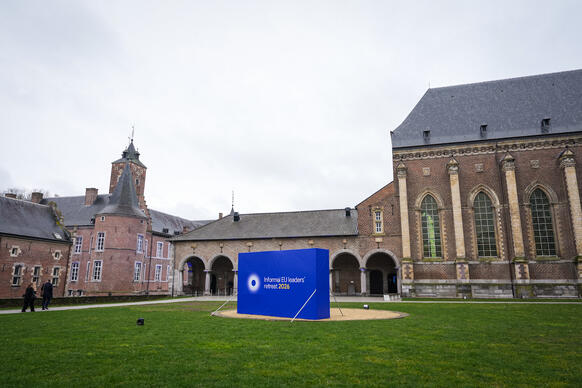
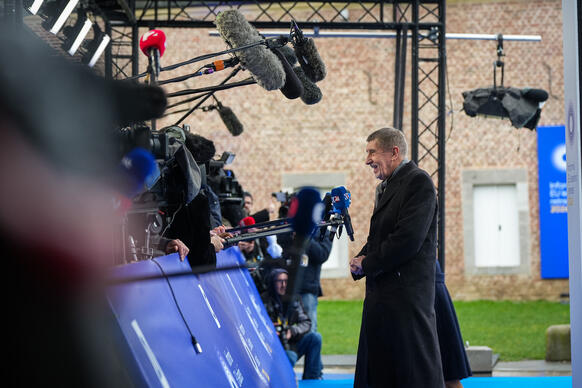
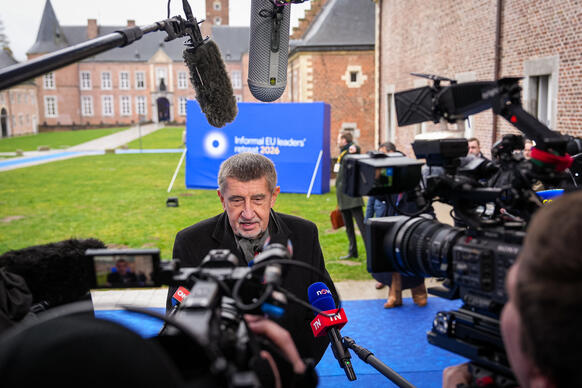
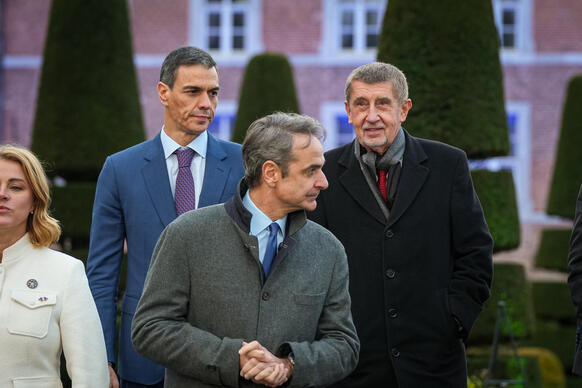
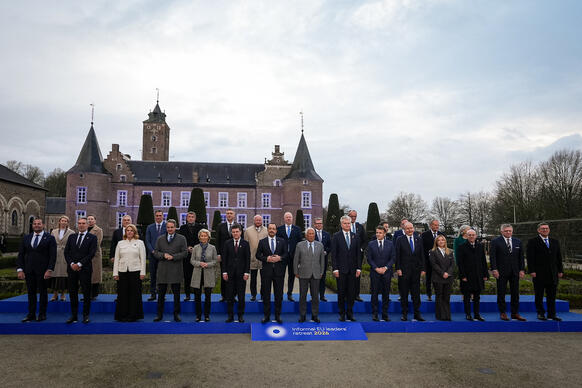
On Thursday, 12 February 2026, the Prime Minister of the Czech Republic, Andrej Babiš, attended the informal European Council meeting at Alden Biesen Castle in Belgium. The discussions centred on soaring energy prices, the EU’s stagnating competitiveness, and the removal of internal market barriers. The leaders debated how to jump-start the European Union's economic growth, following presentations by Mario Draghi and Enrico Letta, who authored comprehensive reports for the European Commission in 2024 on competitiveness and the single market.
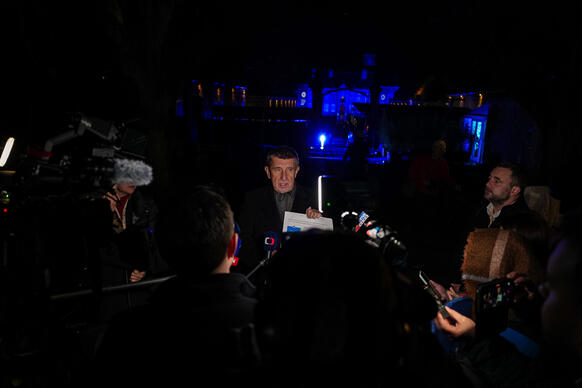
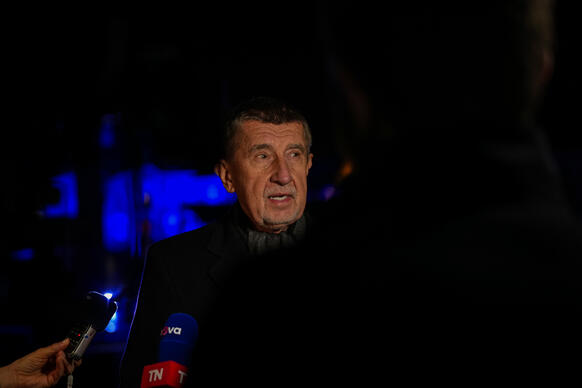
The Prime Minister emphasised that the root causes of the competitiveness crisis are high energy costs and the volatility of carbon prices. "The only immediate solution is a fundamental reform of the ETS 1 emissions trading scheme. If left unchanged, it will further cripple European firms in energy-intensive industries and, by extension, the entire European economy. This is why I have written to all EU leaders outlining specific measures, and why I have met with 13 of my European counterparts individually. There is now almost universal agreement that action is required to maintain Europe’s competitive edge. However, opinions on how it should be done differ. This does not end today. I will continue to lobby my European colleagues regarding our proposal for a “coalition of friends of competitiveness” and the necessity of overhauling ETS 1. I will be sending a follow-up letter to the leaders detailing our plan, and I will be back to champion our competitiveness at the summit in France on 10 March," the Prime Minister added.
The Prime Minister also stressed the urgent need for a single energy market. "Electricity prices stand at €4 per MWh in Portugal, €50 in France, €110 in Germany, €130 in Czechia, and €200 in Estonia—this is not a single energy market. We need to construct energy “highways” to interconnect these individual markets. In our region, this means strengthening links with Germany and Poland. This requires massive investment in energy infrastructure. Failure to act will leave European industry struggling to compete with the United States or China," he stated.